There’s no single list of “best clothing colors,” the right palette depends entirely on your personal color season. This guide rounds up the best colors for each of the four seasons, and all twelve sub-seasons, in one place, so you can find your starting palette quickly.
Best Colors at a Glance
| Season | Best Colors | Best Neutrals |
|---|---|---|
| Spring | Coral, peach, warm butter yellow, warm grass green | Camel, warm ivory |
| Summer | Powder blue, dusty rose, soft lavender, muted teal | Dove grey, soft navy |
| Autumn | Terracotta, mustard, warm olive, rust | Camel, chocolate brown |
| Winter | True red, royal blue, emerald green, icy pink | True black, pure white |
Best Colors for Spring
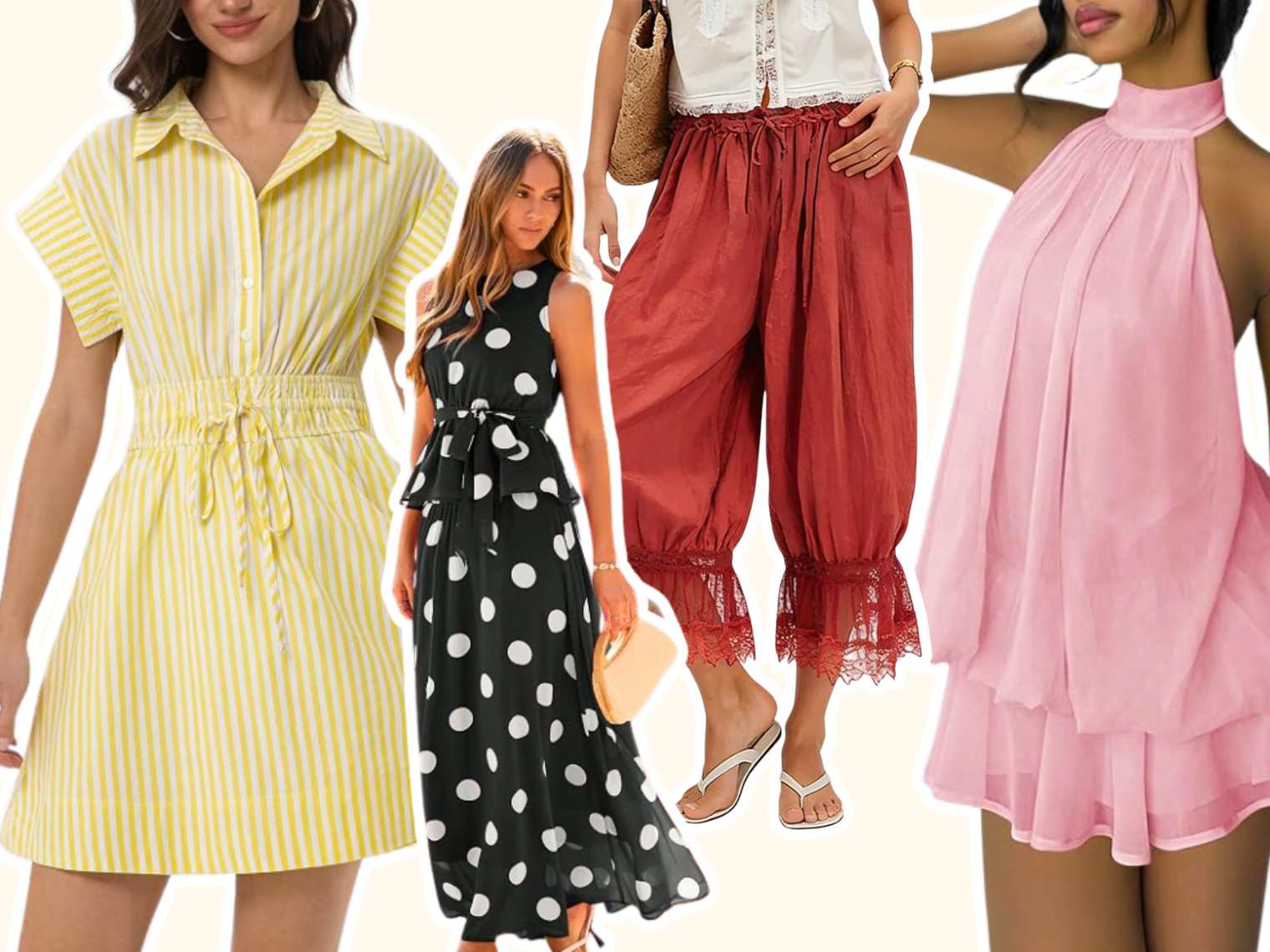
Spring is warm, clear, and light-to-medium in value. Best colors include coral, peach, warm butter yellow, and warm grass green, paired with camel or warm ivory neutrals. For your exact sub-type, see Light Spring, Warm Spring, or Bright Spring.
Best Colors for Summer
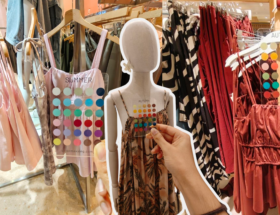
Summer is cool, soft, and light-to-medium in value. Best colors include powder blue, dusty rose, soft lavender, and muted teal, paired with dove grey or soft navy neutrals. For your exact sub-type, see Light Summer, Cool Summer, or Soft Summer.
Best Colors for Autumn
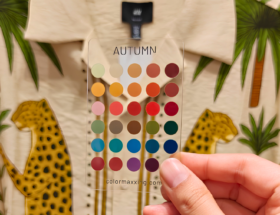
Autumn is warm, earthy, and medium-to-deep in value. Best colors include terracotta, mustard, warm olive, and rust, paired with camel or chocolate brown neutrals. For your exact sub-type, see Soft Autumn, Warm Autumn, or Deep Autumn.
Best Colors for Winter
Winter is cool, vivid, and high-contrast. Best colors include true red, royal blue, emerald green, and icy pink, paired with true black or pure white neutrals. For your exact sub-type, see Deep Winter, Cool Winter, or Bright Winter.
If You’re Not Sure Which Season You Are
Start with temperature, warm or cool, since it’s usually the clearest and easiest dimension to identify. From there, value, chroma, and contrast narrow things down to your specific sub-season. Our guide to the 12 seasons walks through the full framework, or our free Personal Color Analysis, powered by AI, can identify your exact season in minutes.
Applying This List Practically
Treat this as a starting shopping list, not a rulebook. Pull four or five colors from your season’s palette to anchor your next few purchases, then expand gradually. Our guide to building a wardrobe using your personal color palette covers the full process from neutrals to accents in more depth.
Key Takeaways
- Each of the four seasons has a distinct best-color palette, driven by temperature, value, chroma, and contrast.
- Spring is warm and clear, Summer is cool and soft, Autumn is warm and earthy, Winter is cool and vivid.
- Each season has three sub-seasons with more specific palettes worth exploring once you’ve identified your main season.
- This list works best as a starting shopping reference, expanded gradually rather than all at once.
Frequently Asked Questions
Yes, personal color analysis is a guide, not a rule. But if you notice a color consistently goes unworn, that’s often a sign it doesn’t harmonize with your natural coloring.
That’s common, and worth exploring further in our guide to seasonal color crossovers, which covers having a primary and secondary palette.
Yes, a season is defined by undertone and intensity, not depth of skin tone, so each season’s palette spans a full range of skin tones.
Your season’s underlying palette doesn’t change with trends, though which specific shades are easiest to find in stores can vary year to year.
Where to Go From Here
Explore your full seasonal guide, Spring, Summer, Autumn, or Winter, for complete palettes, neutrals, and styling direction.
And if you haven’t confirmed your season yet, our free Personal Color Analysis, powered by AI, identifies your exact palette in minutes.