
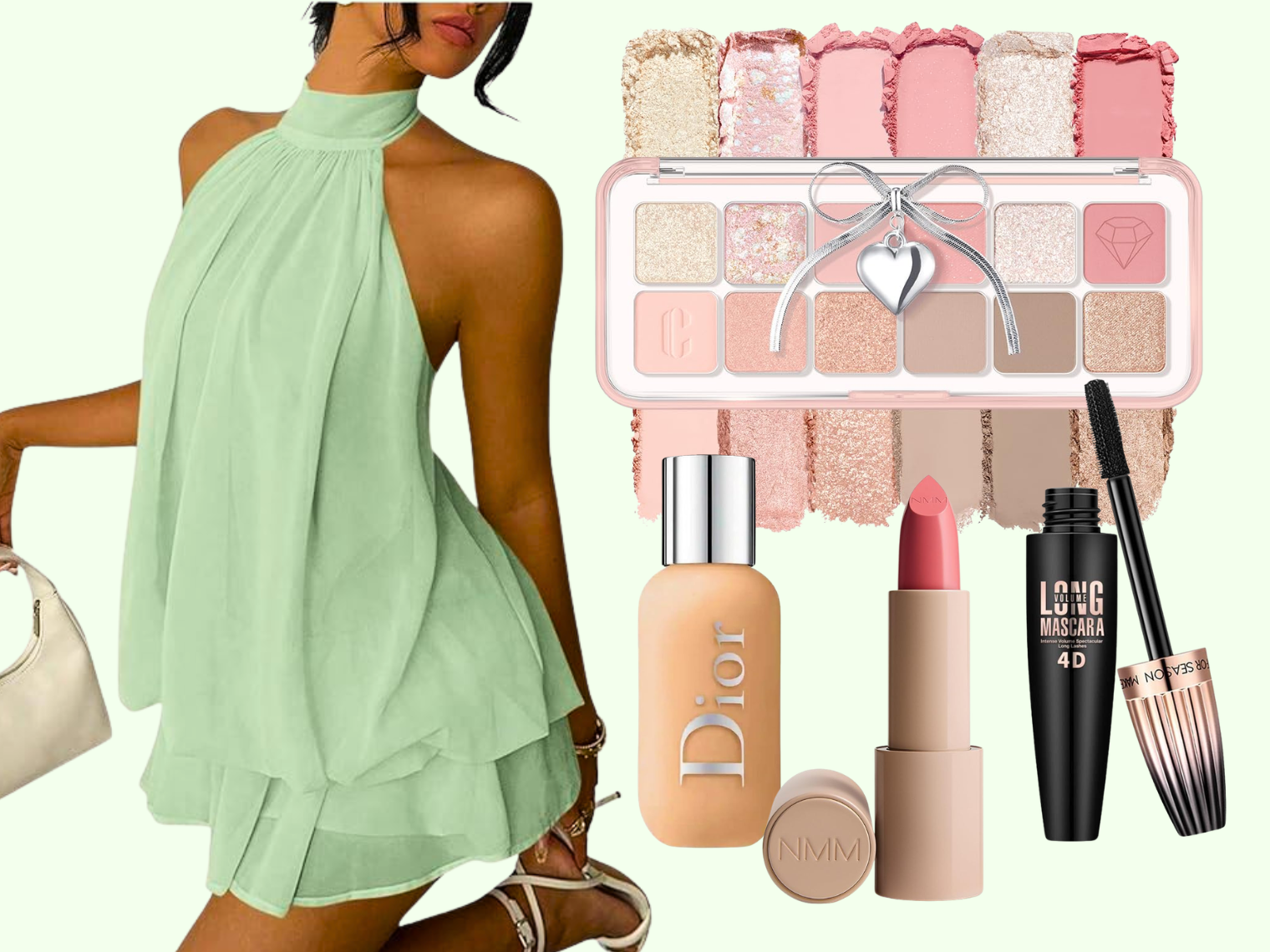
Light Spring is the lightest and softest of the three Spring sub-seasons, warm, fresh, and delicate, sitting just beside Light Summer on the color wheel while staying firmly on the warm side. If your coloring reads as warm but noticeably light and gentle rather than golden or vivid, Light Spring, part of the broader Spring color family, is likely your closest fit.
What Makes Light Spring Distinct
Light Spring shares Spring’s core warmth, but its defining trait is lightness. Where Warm Spring leans golden and Bright Spring leans vivid, Light Spring leans soft and delicate, the lightest overall value of the three Spring types, paired with a gentle, fresh clarity rather than intensity.
- Temperature: Warm, though often the softest warmth of the three Spring types.
- Value: Light, the lightest of the three Spring sub-seasons.
- Chroma: Fresh and clear, without Bright Spring’s intensity.
- Contrast: Typically low to medium, features tend to sit closer together in depth.
The Light Spring Color Palette
Every color in this palette shares the same quality: warm, light, and fresh, never heavy or deeply saturated.
- Light peach
- Soft coral
- Buttery yellow
- Warm mint
- Light warm pink
- Pale golden apricot
Light Spring Neutrals
Neutrals for Light Spring stay just as light and warm as the rest of the palette:
- Ivory (rather than stark white)
- Light warm beige
- Soft camel
- Light warm grey (never a cool, ashy grey)
A deep black or navy can easily overwhelm Light Spring’s naturally delicate coloring, ivory and light beige tend to anchor an outfit with far more harmony.
How Light Spring Differs From Warm Spring and Bright Spring
All three Spring types share warmth and clarity. Light Spring is set apart by value, it’s simply the lightest of the three. Warm Spring pushes further into golden intensity at a similar or slightly deeper value, while Bright Spring pushes into higher contrast and more vivid saturation. Comparing a pale peach (Light Spring) against a deeper golden apricot (Warm Spring) and a vivid coral (Bright Spring) side by side usually makes the distinction easy to see.
How to Know If You’re a Light Spring
Common signals include fair skin with a warm, delicate undertone, light golden-blonde to light golden-brown hair, and light eyes, often light blue, light green, or light warm hazel. The overall impression is soft and fresh rather than golden-intense or high-contrast.
If your coloring feels warm and light but also noticeably vivid or high-contrast, Bright Spring may be the closer fit, comparing yourself against the full Spring guide can help confirm which direction feels most consistent.
Light Spring Makeup Direction
- Base: light, warm-toned foundation, avoid anything with a heavy or deep finish.
- Blush: soft peach or light coral for a fresh, natural flush.
- Lips: light coral, soft peachy pink, or warm nude.
- Eyes: soft golden browns, light warm taupe, and gentle peach tones rather than smoky or deeply pigmented looks.
Light Spring Hair Direction
Light, warm hair tones tend to harmonize best: golden blonde, light honey brown, and soft strawberry-blonde highlights. Very dark or deeply cool-toned hair color can create more contrast than Light Spring’s naturally soft, light coloring calls for.
Practical Application
- Build from light neutrals. Ivory and light beige basics create an easy foundation that already matches your natural lightness.
- Choose soft over saturated. When two versions of a color are available, the lighter, gentler one is usually the better match.
- Use delicate accessories. Fine gold jewelry tends to suit Light Spring’s subtlety better than large, bold statement pieces.
Common Mistakes
- Reaching for Warm Spring’s deeper golds. They can read as heavier than Light Spring’s naturally delicate coloring calls for.
- Choosing stark white as a base neutral. Ivory almost always creates more harmony than a cool, bright white.
- Over-applying makeup intensity. Light Spring is generally enhanced by soft, natural application rather than bold, heavily pigmented looks.
Key Takeaways
- Light Spring is the lightest and softest of the three Spring sub-seasons, warm but gentle rather than golden or vivid.
- Best colors include light peach, soft coral, buttery yellow, and warm mint, with ivory and light beige as neutrals.
- Value (lightness) is what separates Light Spring from Warm Spring and Bright Spring, not temperature.
- Soft, natural makeup and light, warm hair tones tend to create the most harmony.
Frequently Asked Questions
No. Both are light in value, but Light Spring is warm and Light Summer is cool. They sit near each other on the color wheel because of their shared lightness, not their temperature.
Black tends to overwhelm Light Spring’s naturally soft, light coloring. Ivory or light warm beige usually creates a more balanced alternative.
That combination often points toward Bright Spring rather than Light Spring, since Light Spring is defined by softness as well as lightness.
They work well for both. Light, warm neutrals form an easy everyday base, while a soft coral or peach accent can dress an outfit up for special occasions.
Where to Go From Here
To see how Light Spring compares to the other two Spring types, our guide to Warm Spring covers the deeper, more golden end of the same family.
And if you’d like direct confirmation of which Spring type fits you, our free Personal Color Analysis, powered by AI, identifies your specific pattern in minutes.