Owning the right colors is one thing, combining them into outfits that actually look put-together is another skill entirely. Once your closet is built around your personal color season, a few simple outfit formulas make it easy to get dressed with confidence, without needing to plan every combination in advance.
Why Outfit-Building Gets Easier With a Palette
When every piece in your closet already shares the same undertone and intensity, most combinations work by default. The skill shifts from “does this match?” to “how much color and contrast do I want today?”, a much easier, more creative question to answer.
Four Reliable Outfit Formulas
- Neutral + neutral. Two of your season’s best neutrals worn together, a foolproof, low-effort combination for busy days.
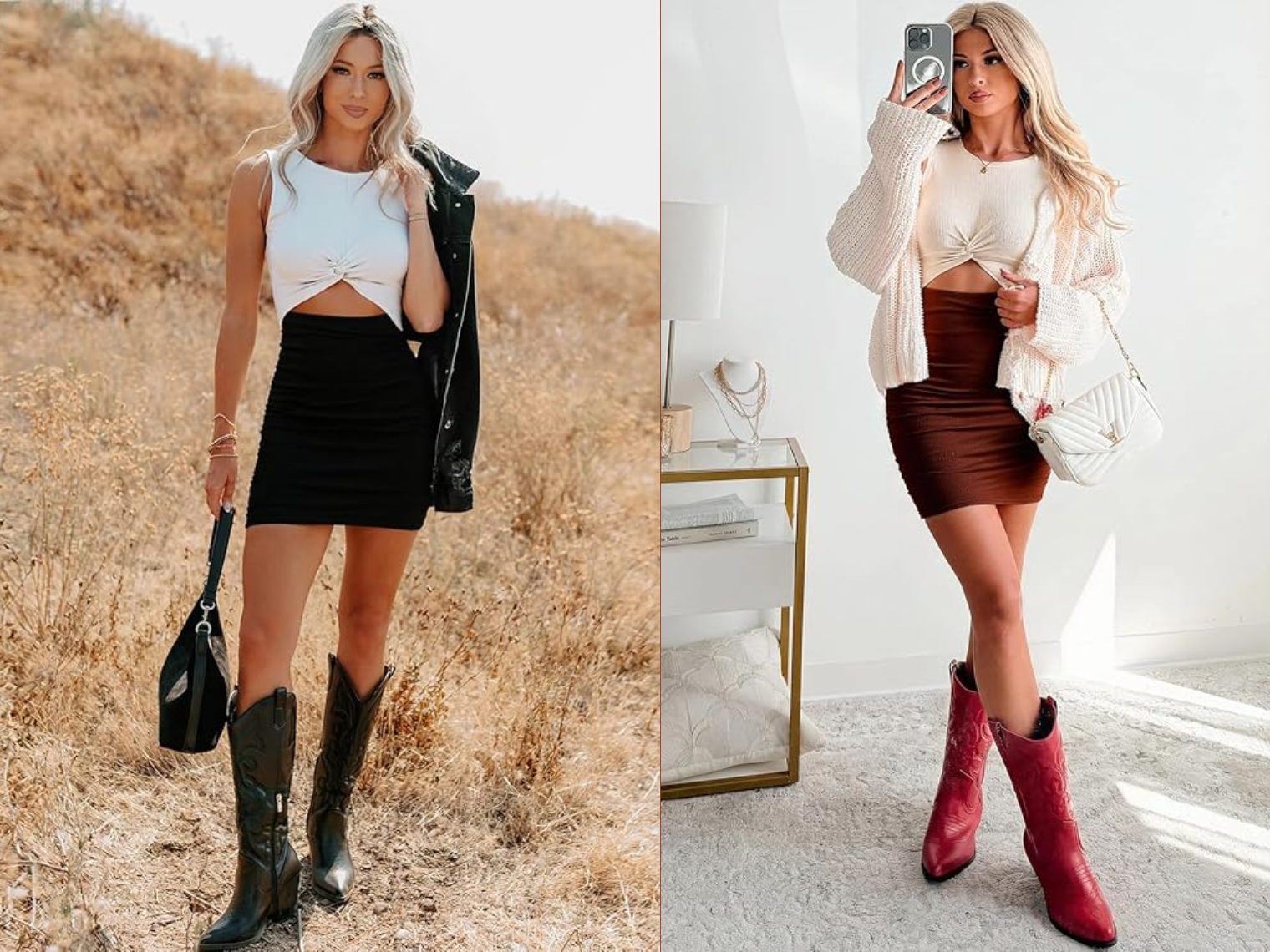
- Neutral + core color. One neutral piece (bottoms or outerwear) paired with one core color piece (a top or dress), the most versatile everyday formula.
- Core + core, same family. Two core colors from the same temperature family worn together for a slightly more elevated, coordinated look.
- Neutral base + accent pop. A mostly neutral outfit with one accent-color piece, a bag, shoes, or a top, for a look with personality without overwhelming the palette.
Using Contrast Intentionally
Your season’s natural contrast level is a built-in styling guide. Higher-contrast seasons, like Winter and Bright Spring, tend to look most intentional in outfits that pair a clear light piece with a clear dark piece. Lower-contrast seasons, like Summer and Soft Autumn, tend to look most harmonious in outfits built from closely related tones, rather than stark light-against-dark pairings.
Building a Monochromatic Look
A monochromatic outfit, built from different shades and textures within one color family, is one of the easiest ways to look polished with minimal effort. Because every shade is already drawn from your season’s palette, this approach almost never fails, varying the fabric texture and depth of shade keeps it from feeling flat.
Adding an Accent Without Overdoing It
One accent color is usually enough to add energy to an outfit without competing with itself. If you’re drawn to combining two accent colors in one look, anchoring them both with a shared neutral, rather than pairing them directly, tends to look more cohesive.
A Quick Example From Each Season
- Spring: a warm ivory base with a coral or peach top, gold jewelry, and a camel accessory.
- Summer: a dove grey base with a dusty rose or powder blue top, silver jewelry, and a soft navy accessory.
- Autumn: a camel base with an olive or terracotta top, gold jewelry, and a chocolate brown accessory.
- Winter: a true black base with an emerald or true red top, silver jewelry, and a crisp white accessory.
Dressing for Different Occasions
The same formulas scale up or down depending on the occasion. For everyday wear, lean on the neutral+core formula for speed and ease. For work, favor neutral+neutral or a subtle core color for polish. For evening or special occasions, the neutral base with an accent pop, or a full monochromatic look in a richer shade, tends to read as more elevated without straying from your palette.
Common Outfit-Building Mistakes
- Using too many accent colors at once. More than one or two bold, non-neutral colors in a single outfit can compete rather than complement.
- Ignoring contrast level. Pairing colors correctly by palette but ignoring your season’s natural contrast can still feel slightly off.
- Ignoring metals and accessories. A well-matched outfit can still feel disjointed if the jewelry or bag hardware pulls from the wrong metal family.
Key Takeaways
- A wardrobe built around one palette makes most outfit combinations work by default.
- Four reliable formulas, neutral+neutral, neutral+core, core+core, and neutral+accent, cover most everyday outfit needs.
- Your season’s natural contrast level is a built-in guide for how bold or blended an outfit should feel.
- One accent color is usually enough, two competing accents can undercut an otherwise cohesive look.
Frequently Asked Questions
Yes, as long as they share your season’s undertone and intensity, most combinations within your palette will naturally coordinate.
There’s no fixed number, but two to three colors, including neutrals, tends to feel intentional without becoming visually busy.
Not when texture and shade variation are used, a tonal outfit with mixed textures and depths often looks more polished than a multi-color one.
That can happen even within one season, since palettes include a range of values and intensities, pairing similar values or contrast levels usually resolves it.
Where to Go From Here
For more on combining colors specifically, see our guide to How to Mix Colors in Your Personal Palette. And for the broader wardrobe framework this fits into, see How to Build a Wardrobe Using Your Personal Color Palette.
If you haven’t confirmed your season yet, our free Personal Color Analysis, powered by AI, identifies your exact palette in minutes.