
“Neutral” gets treated like a synonym for “goes with everything,” but that’s not quite true. Black, white, grey, brown, and navy all have a temperature, just like any other color, which means some versions of each neutral genuinely suit you far more than others. Choosing the right neutrals is one of the highest-leverage steps in building a wardrobe around your personal color palette.
Why Neutrals Aren’t Actually Universal
A neutral color is still built from an underlying warm or cool base, exactly like any other color. Ivory leans warm, true white leans cool. Camel leans warm, cool taupe leans cool. Even black can carry a warm or cool undertone depending on whether it has a hint of brown or blue mixed in. “Just wear black and white, they go with everything” is one of the most common oversimplifications in casual style advice, and it’s exactly why some people find that black washes them out while others find it makes their whole outfit come together.
Best Neutrals by Season
| Season | Best Neutrals | Neutrals to Use Sparingly |
|---|---|---|
| Spring | Camel, warm ivory, light warm grey | True black, stark white, cool grey |
| Summer | Dove grey, soft navy, soft white | Camel, true black, warm brown |
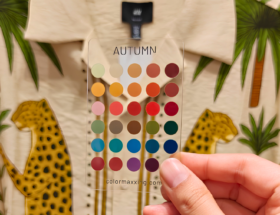
| Autumn | Chocolate brown, camel, warm charcoal | Stark white, true black, cool grey |
| Winter | True black, pure white, true navy | Camel, ivory, warm brown |
These are starting points, not rigid rules, but they explain a pattern many people have noticed without being able to name: certain “safe” basics quietly underperform in a wardrobe while others become reliable go-tos.
Neutrals Within a Season Still Vary
Sub-seasons add another layer of nuance. Within Winter, for example, Deep Winter wears true black comfortably as a primary neutral, while Cool Winter and Bright Winter can lean on it too, but often look equally strong in a crisp cool white or true navy as a base. Within Autumn, Deep Autumn can carry a soft, warm black, while Warm Autumn and Soft Autumn generally look more polished in chocolate brown or camel instead. If a season-level neutral still feels slightly off, checking your specific sub-season’s guide usually clarifies why.
How to Test a Neutral Against Your Skin
Hold two versions of the same neutral, for example a warm ivory and a stark white, near your face in natural light. Watch which one makes your skin look more even and which one looks slightly duller or more washed out by comparison. This same comparison test works for greys (warm-leaning versus cool-leaning), browns (chocolate versus taupe), and even blacks (soft, warm-toned versus true, cool-toned).
Building Neutrals Into Your Wardrobe
- Start with bottoms and outerwear. These get the heaviest use and benefit most from being in your correct neutral family.
- Choose one primary neutral, then a secondary. Most wardrobes work well with one dominant neutral and one supporting one, rather than three or four competing for the same role.
- Use your best neutral as a base for building outfits. Pair it with your season’s core colors first, then layer in accents as needed.
Common Neutral Mistakes
- Assuming black is always safe. For several seasons, a soft charcoal or deep brown reads as more polished than true black, which can look slightly harsh by comparison.
- Overlooking white’s temperature. A stark white can look crisp on some seasons and slightly clinical on others, where a soft or warm ivory would work better.
- Buying every neutral “just in case.” A wardrobe with too many competing neutrals loses cohesion, it’s more effective to commit to one or two that genuinely suit you.
Key Takeaways
- Neutrals like black, white, grey, and brown all have a warm or cool undertone, just like any other color.
- Each personal color season has specific best-fit neutrals, rather than the same universal set working for everyone.
- Sub-seasons add further nuance, particularly around how comfortably each type wears true black.
- Comparing two versions of the same neutral against your skin is the fastest way to see the difference.
Frequently Asked Questions
Yes, in smaller doses or away from the face, black can still work for most seasons. It simply may not be the most flattering choice for larger pieces or items worn close to the face.
Not automatically. Grey has a warm or cool undertone just like other neutrals, a warm light grey suits different seasons than a cool charcoal grey.
Many people are used to shopping from generic “universal” neutral advice, so a season-specific neutral like camel or true navy as a primary base can feel unfamiliar at first, even when it’s a stronger match.
No, one or two well-chosen neutrals are usually enough to anchor a wardrobe, the full list is there to give you options, not requirements.
Where to Go From Here
For the full wardrobe-building process this fits into, see our guide to How to Build a Wardrobe Using Your Personal Color Palette, or explore your season’s complete palette in our Spring, Summer, Autumn, and Winter guides.
And if you haven’t confirmed your season yet, our free Personal Color Analysis, powered by AI, identifies your exact palette, neutrals included, in minutes.