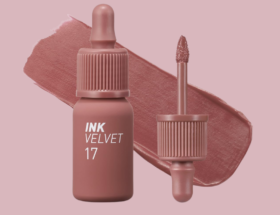
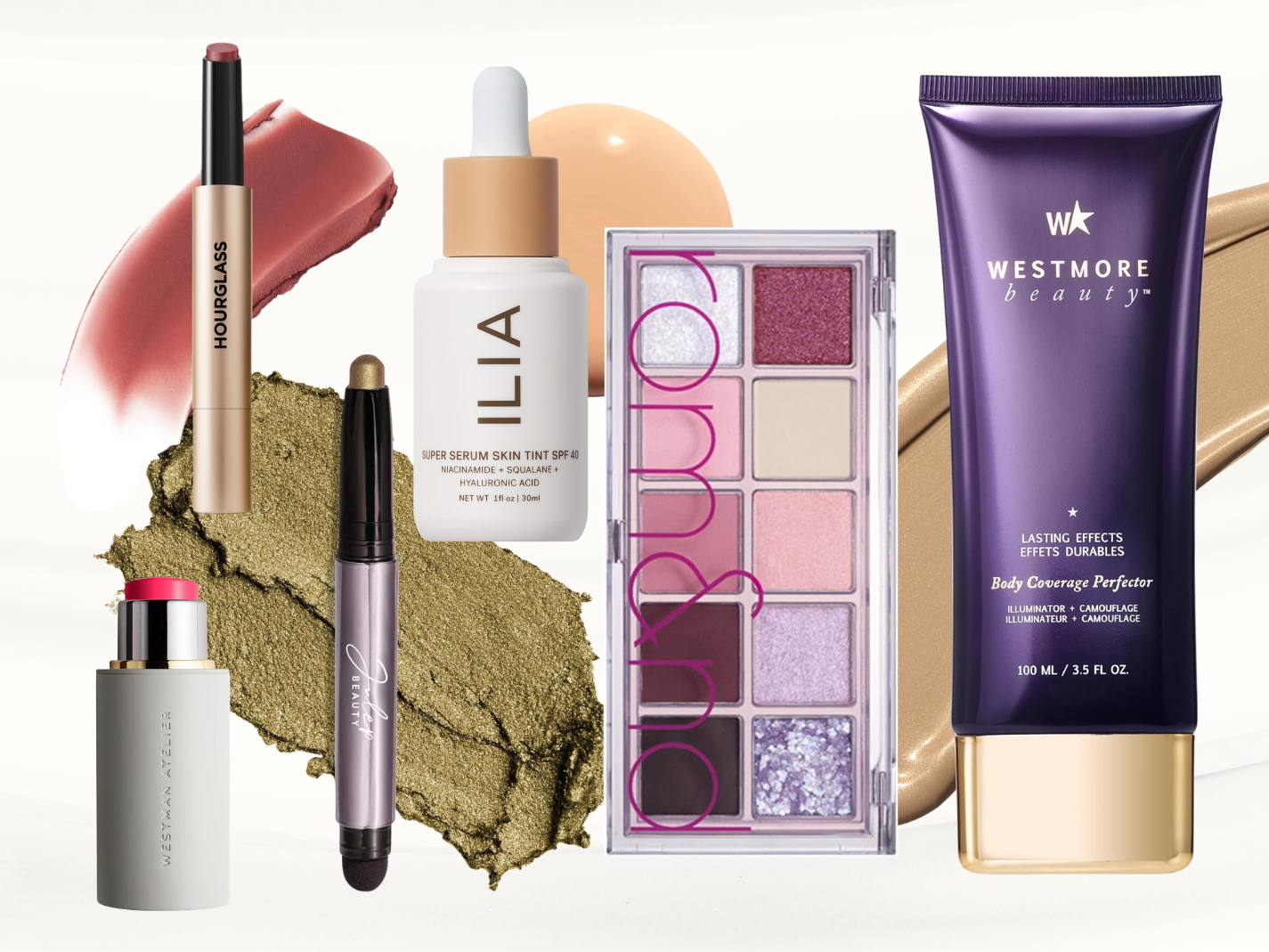
A foundation shade that oxidizes strangely by midday. A lipstick that looked perfect in the tube and slightly off on your lips. A blush that reads more like a bruise than a flush. These are rarely product-quality problems, they’re usually undertone problems, and the same personal color season that guides your wardrobe applies just as directly to makeup.
Why Makeup Should Follow Your Color Season
Makeup sits directly on skin, which means undertone mismatches show up more visibly here than almost anywhere else in a wardrobe. A foundation with the wrong undertone doesn’t just look slightly off, it can make skin look grey, orange, or uneven in a way that’s hard to correct with other products. Working from your personal color season removes the guesswork: instead of testing dozens of shades and hoping, you start from a palette already narrowed to what’s likely to harmonize.
Undertone vs Skin Tone: A Quick Distinction
It’s worth separating two terms that often get used interchangeably. Skin tone refers to depth, how light or dark your skin is. Undertone refers to temperature, whether your skin leans warm, cool, or neutral beneath that depth. Two people can share an identical skin tone and have completely different undertones, which is exactly why “just match the depth” foundation shopping so often produces a mismatch. Personal color analysis addresses undertone directly, which is the piece depth-matching alone tends to miss.
The Confidence Behind a Matched Routine
There’s a practical reason a well-matched makeup routine feels different to wear: it stops drawing attention to itself. Foundation that matches undertone disappears into skin rather than sitting on top of it, a lip color from your palette reads as naturally you rather than as an obvious statement. The goal isn’t to look different, it’s to look like a clearer, more polished version of your own coloring, which is often where genuine confidence comes from rather than from any single trending product.
The Four Makeup Building Blocks
- Base. Foundation, concealer, and powder, chosen for undertone match, not just depth.
- Blush. The color that should make you look naturally flushed, not like you’re wearing an obvious layer of color.
- Lips. Often the most experimented-with category, and the one most sensitive to undertone.
- Eyes. Shadow, liner, and mascara, chosen to complement rather than fight your natural coloring.
Step 1: Confirm Your Season
As with wardrobe, everything starts here. If you haven’t identified your season, our guide to the 12 seasons walks through the framework, or our free Personal Color Analysis, powered by AI, can identify it directly.
Step 2: Match Your Base to Your Undertone
Foundation undertone comes down to the same warm-or-cool distinction as clothing. Warm seasons, Spring and Autumn, generally match best with foundations described as warm, golden, or peach-based. Cool seasons, Summer and Winter, generally match best with foundations described as cool, pink, or neutral-based. Testing along the jawline in natural light, not under store lighting, remains the most reliable method regardless of season.
Step 3: Choose a Blush That Reads as Natural
Blush should echo the same undertone as your base. Warm seasons tend to look most natural in peach, coral, or warm terracotta blush. Cool seasons tend to look most natural in pink, rose, or berry-based blush. The goal is a flush that looks like your own skin working harder, not a visibly separate layer of color.
Step 4: Choose Lip Colors From Your Palette
Lip color is where personal color analysis often has the most visible impact, since lips sit at the center of the face and undertone mismatches are hard to miss. Warm seasons tend to suit coral, brick, and warm red shades. Cool seasons tend to suit blue-based reds, berry, and cool pink shades. Depth matters too, lighter seasons generally suit lighter lip shades, deeper seasons can carry richer, more saturated ones.
Step 5: Choose Eye Makeup That Complements, Not Competes
Eyeshadow and liner should generally follow the same undertone logic as the rest of your makeup. Warm seasons tend to look most harmonious in bronze, warm brown, and olive tones. Cool seasons tend to look most harmonious in taupe, grey, and cool-toned shadows. Your season’s natural contrast level also matters here, higher-contrast seasons can generally carry more defined, dramatic eye looks, while softer, lower-contrast seasons often look more polished with a gentler, more blended application.
Step 6: Always Check in Natural Light
This step applies to every category. Makeup counters and bathroom mirrors are frequently lit in ways that distort how a color actually reads outdoors. Before committing to a new shade, especially foundation or lip color, check it in natural daylight, the single most reliable way to catch an undertone mismatch before it becomes a repeat purchase mistake.
How Sub-Seasons Refine Makeup Choices
Your main season sets the undertone, but your specific sub-season fine-tunes intensity and depth. A Bright Winter can generally wear a more vivid, saturated lip and eye look than a Cool Winter, even though both are cool-toned. A Soft Autumn typically looks more polished in muted, blended makeup than a Deep Autumn, who can carry richer, more dramatic color. Once you’ve confirmed your main season’s undertone, checking your specific sub-season’s guide helps calibrate exactly how bold or subtle your makeup should lean.
Makeup and Hair Color Together
Hair color and makeup interact more than many routines account for. A warm-toned makeup look can sit slightly at odds with cool, ash-toned hair, just as cool-toned makeup can look slightly disconnected from warm, golden hair. This doesn’t mean hair color has to match your season exactly, plenty of people color their hair outside their natural undertone, but it’s worth being aware that makeup calibrated purely to skin undertone may need slight adjustment if hair color pulls in a different direction.
Building a Routine for Different Occasions
The same undertone-matched palette scales up and down depending on the occasion. For everyday wear, a sheer base, natural blush, and a your-lips-but-better lip color keep things simple and low-effort. For work, a slightly more defined eye and a confident but not overly bold lip tend to read as polished. For evening or special occasions, leaning into your season’s deeper or more saturated lip and eye shades, still within your undertone family, creates a more dramatic look without abandoning what actually suits you.
How This Differs Slightly From Clothing Rules
Makeup allows a bit more flexibility than clothing in one specific way: because it’s applied in small, blendable amounts, a slightly-off lip or blush shade is often easier to adjust or tone down than an entire off-season garment. That said, foundation is the one category where undertone precision matters most, since it covers the largest surface area and is hardest to visually correct once applied.
Common Makeup Mistakes
- Choosing foundation by depth alone. Two foundations can be the same depth and completely different undertones, matching undertone matters as much as matching how light or dark a shade is.
- Testing on the back of the hand. Hand skin often has a different undertone than facial skin, the jawline is a more reliable test area.
- Following influencer routines exactly. A look built for someone else’s season won’t translate directly, even with an identical product list.
- Ignoring how products oxidize. Some foundations shift warmer over a few hours, waiting before judging a full-day match avoids premature repurchasing.
- Assuming one “your lips but better” shade works for life. Skin undertone can shift subtly with sun exposure or seasonal changes, worth reassessing periodically.
Key Takeaways
- Makeup undertone mismatches are especially visible because product sits directly on skin.
- Undertone (warm, cool, neutral) and skin tone (depth) are different things, matching both matters.
- Base, blush, lips, and eyes should all follow the same warm-or-cool logic as your season.
- Your sub-season fine-tunes how bold or muted your makeup should lean, beyond just undertone.
- Always test new shades in natural light before committing, store and bathroom lighting are unreliable.
Frequently Asked Questions
Not exactly, but the same undertone logic applies. Makeup has slightly more flexibility since it’s applied in smaller, blendable amounts than a full garment.
That can happen, since foundation undertone is specifically about your skin, not your overall coloring pattern. Both are worth getting right, but they’re tested separately.
Not necessarily exact shades, since skin depth still varies within a season, but the same undertone family will generally work for both.
Seasonal skin changes (like tanning) and product reformulations are both good reasons to re-check your match periodically, rather than assuming it stays constant forever.
Where to Go From Here
This guide covers the framework, but each category has more specific guidance available. Explore How to Choose Lipstick Based on Your Season, our lip color guides for Spring, Summer, Autumn, and Winter, plus How to Choose Blush Colors and How to Choose Eyeshadow Colors Based on Your Season.
And if you haven’t confirmed your season yet, our free Personal Color Analysis, powered by AI, is the fastest way to start building a makeup routine that actually works with your coloring.