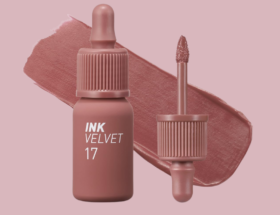
A red lipstick that looks stunning on one person can look strangely flat or even slightly muddy on another, and it’s rarely about the shade of red itself. It’s about undertone, value, and chroma, the same three factors that shape your makeup choices across the board, applied to the one product that sits closest to the center of your face.
Why Lipstick Undertone Matters So Much
Lips already have their own natural undertone, and layering a lipstick with a clashing undertone on top can fight with your skin instead of complementing it. A cool-toned blue-red on a warm complexion can look slightly bruised, while a warm orange-red on a cool complexion can look slightly dull against the skin. Getting the undertone right is the single biggest lever in making any lipstick color read as flattering rather than “off.”
The Two Undertone Families in Lipstick
- Warm-based lipsticks — lean orange, coral, brick, or golden-red. Best on warm seasons (Spring, Autumn).
- Cool-based lipsticks — lean blue-red, berry, mauve, or true pink. Best on cool seasons (Summer, Winter).
Within each family, your season’s value (how light or deep) and chroma (how bright or muted) narrow the choice further, which is why two warm seasons can still wear noticeably different reds.
How to Match Lipstick to Your Season
| Season | Best Lipstick Undertone | Shades to Use Sparingly |
|---|---|---|
| Spring | Warm, clear, light-to-medium (coral, warm pink, clear red) | Deep blue-reds, dusty mauves |
| Summer | Cool, soft, muted (dusty rose, soft mauve, cool berry) | Bright orange-reds, high-shine golds |
| Autumn | Warm, deep, muted (brick, terracotta, warm brown-red) | Icy pinks, blue-based berries |
| Winter | Cool, clear, high-contrast (true red, fuchsia, deep berry) | Muted corals, soft peachy nudes |
These are starting points. Within each season, sub-seasons shift intensity, a Bright Winter wears a vivid fuchsia comfortably, while a Deep Winter often leans toward a richer, darker berry. See the dedicated guides for Spring, Summer, Autumn, and Winter for exact shade recommendations by sub-season.
How to Test Lipstick Against Your Skin
Swatch two contenders, one warm and one cool, directly on your lips rather than your hand, since hand skin and lip skin don’t always match in undertone. Look in natural light and notice which one makes your teeth look brighter and your skin look more even, and which one makes your mouth look slightly separate from the rest of your face.
Value and Chroma Matter Too
Undertone gets a shade into the right family, but value and chroma decide how well it actually sits with your natural contrast level. Light, soft seasons (Light Spring, Light Summer) are usually overwhelmed by very deep, saturated lipsticks, even in the correct undertone. Deep, bright seasons (Bright Winter, Deep Autumn) can look washed out in anything too sheer or pale. Matching your lipstick’s intensity to your own natural intensity is what makes a color look intentional instead of borrowed.
Common Mistakes
- Judging lipstick by the bullet, not the swatch. The color in the tube is rarely identical to how it looks blended on lips.
- Ignoring finish. A glossy formula and a matte formula in the same shade can read as slightly different colors on skin.
- Assuming “your best red” is universal. Warm red and cool red are different colors that happen to share a name.
Key Takeaways
- Lipstick has an undertone just like clothing, and matching it to your season’s temperature is the biggest factor in how flattering it looks.
- Warm seasons (Spring, Autumn) generally suit orange-based reds and corals; cool seasons (Summer, Winter) generally suit blue-based reds and berries.
- Value and chroma refine the match further, light seasons wear softer intensities, deep and bright seasons wear richer or more vivid ones.
- Always test lipstick directly on lips in natural light rather than judging from the packaging.
Frequently Asked Questions
Yes, almost every season has a version of red that works, the key is choosing the right undertone and intensity of red for you rather than assuming all reds are interchangeable.
No. Lipstick works from the same undertone logic as your wardrobe palette, but it doesn’t need to match specific outfit colors, it just needs to harmonize with your skin.
You can still wear it. These are guidelines for what tends to look most harmonious, not rules, and finish, application, and personal preference all play a role too.
Yes. “Nude” is not one color, it’s a range that spans warm beige to cool taupe, and the same undertone matching applies just as much to nudes as it does to reds.
Where to Go From Here
For a full breakdown of every makeup category by season, see our guide to Personal Color Analysis for Makeup Explained. And for shade-by-shade lipstick picks, jump to your season: Spring, Summer, Autumn, or Winter.
Not sure which season you are yet? Our free Personal Color Analysis, powered by AI, identifies your exact palette, lipstick included, in about a minute.